
It’s Black History Month, and you better brush up on your knowledge

I can hear the cacophony of protestors, crying out “racism!” or rather complaining that everyone has a hand in music.
And to this I say: calm down. Of course, everyone has a hand in music. But one must remember two important things: context, and credit.
Your Rock’n’Roll playlist would mean nothing, without the rhythm and blues of Black people — and, actually, without their rockin’ and rollin’.
Because the term “Rock’n’Roll” was not Elvis Presley’s to appropriate, much to everyone’s dismay. And the father of Rock’n’Roll, is none other than a Black man: Chuck Berry.
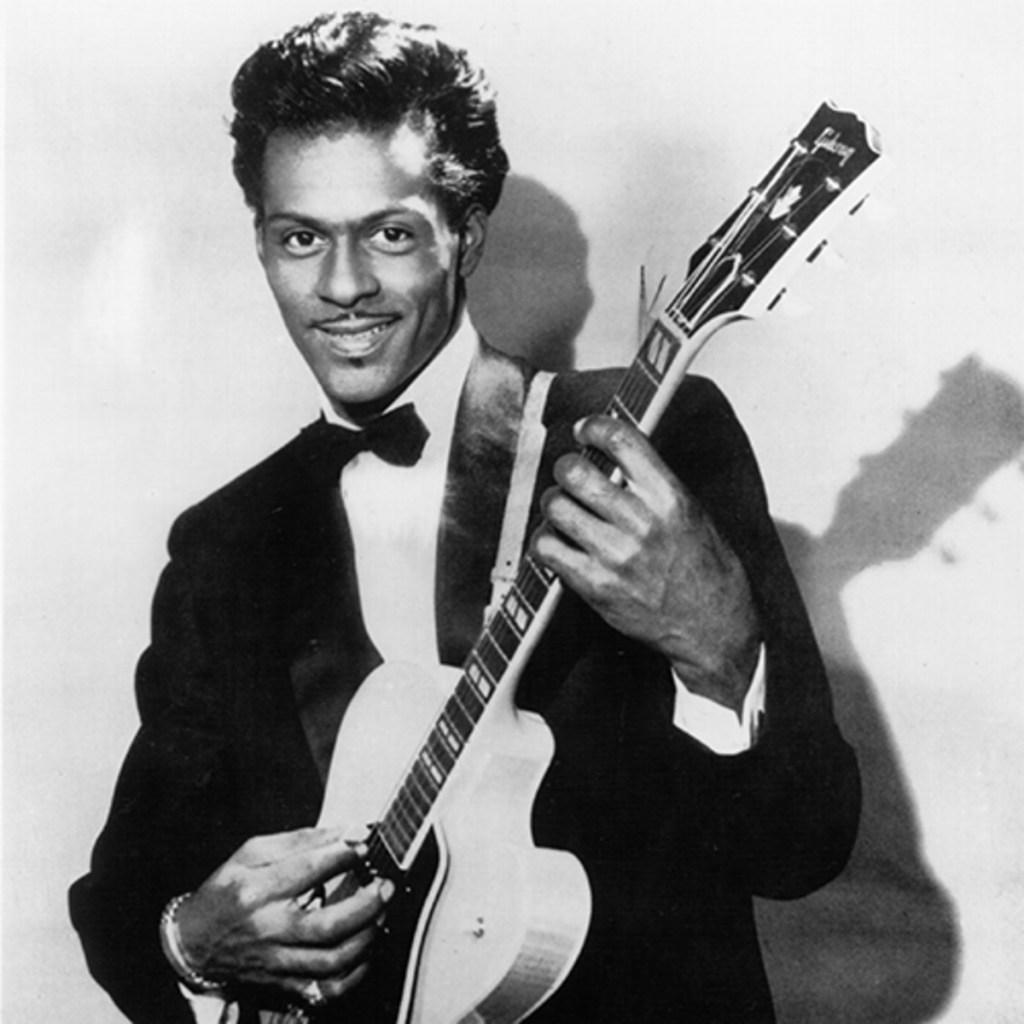
Born Charles Edward Anderson Berry, the man paved the way and wrote the blueprint of what we now consider Rock’n’Roll music. From a middle-class African-American neighbourhood in St. Louis, Missouri, the fourth of six children, he was the son of a part-time preacher and a choir singer. Meaning Berry had musical influences from a very young age. It was the radio, however, that gets the credit to his introduction to boogie-woogie**, blues, and “hill-billy**” songs.
(Technical terms explained:
– Boogie-Woogie: a genre of blues music that became popular during the late 1920s, developed in African-American communities in the 1870s. Boogie-woogie is mainly associated with dancing and Boogie-woogie dance – Boogie-Woogie dance: a led dance, not choreographed, and can contain acrobatic elements.
– Hill-billy : term used to refer to folk music combined with elements of popular music in which the banjo, fiddle, and guitar are principal instruments)
Berry’s decision to pursue a music career was made after an outstanding performance to his classmates in school. That decision came to fruition however, after being deterred by three years in prison for teenage robbery, but it was not given up. Berry began performing other artist’s songs in many St.Louis clubs, quickly becoming a well-known and liked act. He later started writing his own material, at first by altering the lyrics as well as the melodies in some songs he already knew.
What makes him known to most people is his big-break song, on May 1955, a Chuck-Berry-spin on Bob Wills’ “Ida Red”, turned it into what is now as “Maybellene.”
For reference, the inspiration “Ida Red” sounded something like this:
Suddenly, white teenagers had music they could call after their own souls. It was vibrant, it was fun, and it was full of energy. The strings of an electric guitar were enough to add a new, fresh spin on otherwise conventional songs. Berry’s voice and his unconventional lyrics were the cherry on top of a delicious musical mix.
During his golden decade, from 1955 to 1965, Berry recorded a plethora of songs that are now considered some of the most important foundations of Rock’n’Roll music.
Throughout the years, Berry’s songwriting slowed extensively but he kept on performing as often as he could, up until his death in 2017.





And while Elvis Presley may be considered the King of Rock’n’Roll, we all must rise for the genre’s father: Chuck Berry; who left this world by making it a little more groovy.
 Busybee's Playlist
Leave a comment