And proud!
Conceived in 2004, the International Day Against Homophobia (now goes by the full name of International Day Against Homophobia, Bi-phobia, and Transphobia) was officially celebrated on 17 May 2005. The date was chosen to commemorate when World Health Organization issued a decision in 1990 to declassify homosexuality as a mental disorder. Transphobia was added to the name in 2009, following numerous petitions and involvement by NGOs. Bi-phobia was added in 2015.
As of 2016, the day is celebrated in 130 countries.
It is a day that aims to raise awareness concerning matters of violence, discrimination and injustice towards the LGBTQ+ community worldwide. Thus inciting conversation, action, and motions to spread equality and defend diversity.
Throughout the years, a number of public figures have come out and expressed pride in their sexuality — sometimes at great personal and professional expense.
In the music scene, particularly in Rock’n’Roll, musicians were no strangers to experimenting with sexual fluidity, or androgyny.
Some chose to remain unlabeled, some chose to keep it hidden to focus on their music, some chose to openly defend and advocate, and some’s sexuality was used to further an agenda or erase their identities.
Here are a few you may (or may not) know:
Jobriath (Bruce Wayne Campbell)
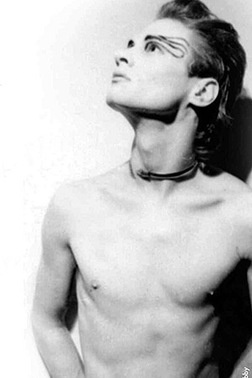
In 1973, Jobriath became the first openly gay rocker to sign to a major record label, Elektra Records (founded in 1950, owned by Warner Music Group.) He declared by then that he wanted to be the biggest, gayest rockstar of all time. While his career, however, was short-lived, having retired in 1975, Jobriath has left quite the impact on the Glam Rock genre (style of Rock performed in outrageous, theatrical costumes — most of the times in platform shoes, glitter and big hairstyles.) He died in 1983 due to complications of AIDS.
Tom Robinson (Tom Robinson Band)
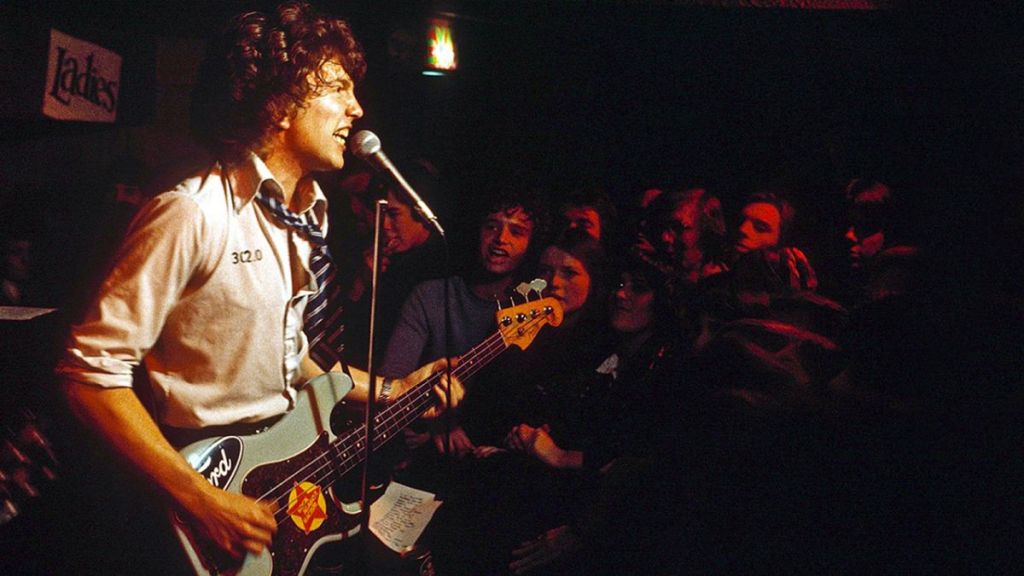
“Sing if you’re glad to be gay! Sing if you’re happy that way.”
Robinson, frontman of Tom Robinson Band, is maybe best known for his loud-and-proud coming out at the age of 28, in 1978. A staunch LGBTQ+ activist to this day, the subversive punk-rocker’s 1978 EP, Power in the Darkness was a hit, especially due to the surprising rising of the song “Glad to be Gay” in the top 20 on the UK charts. Even though a number of broadcasters refused to play it, it quickly became a fan favourite.
The song is a dig at the World Health Organization’s classification of homosexuality as a disease, and the lyrics are fully calling out the British police’s brutality towards LGBTQ+ youth.
Janis Joplin
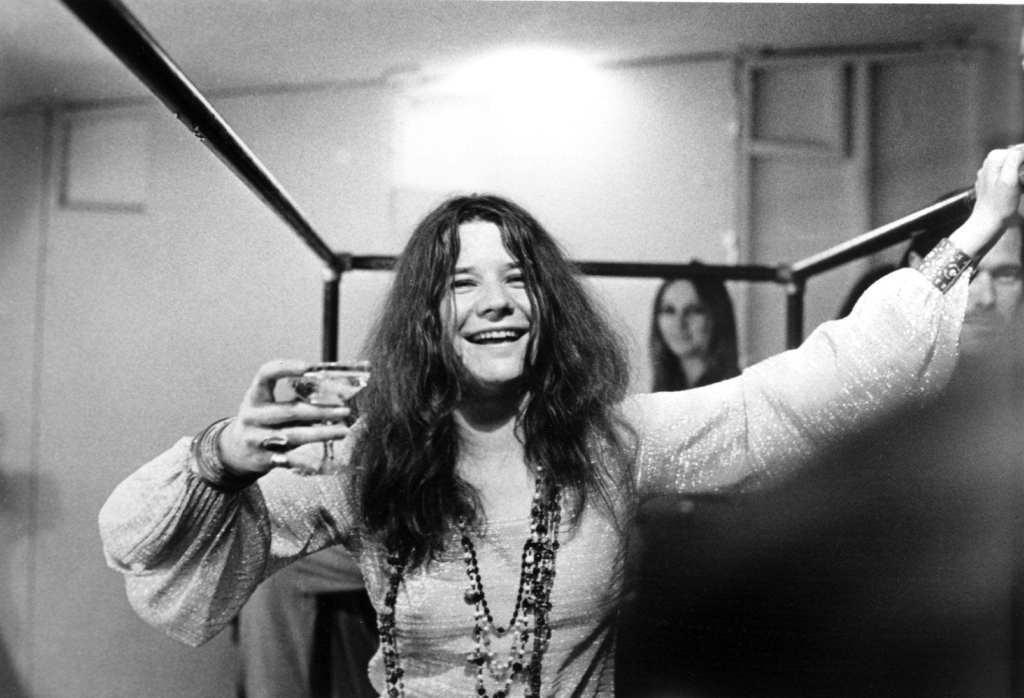
Janis Joplin falls in the segment of “Rock’n’Roll stars who chose to remain unlabeled, or rather keep it personal and not disclose it, while still living their sexuality to the fullest.” Although in later years following the singer’s tragic passing, several of her female lovers came clean about the nature of their relationships. And Peggy Caserta’s name stands out the most in that aspect.
David Bowie
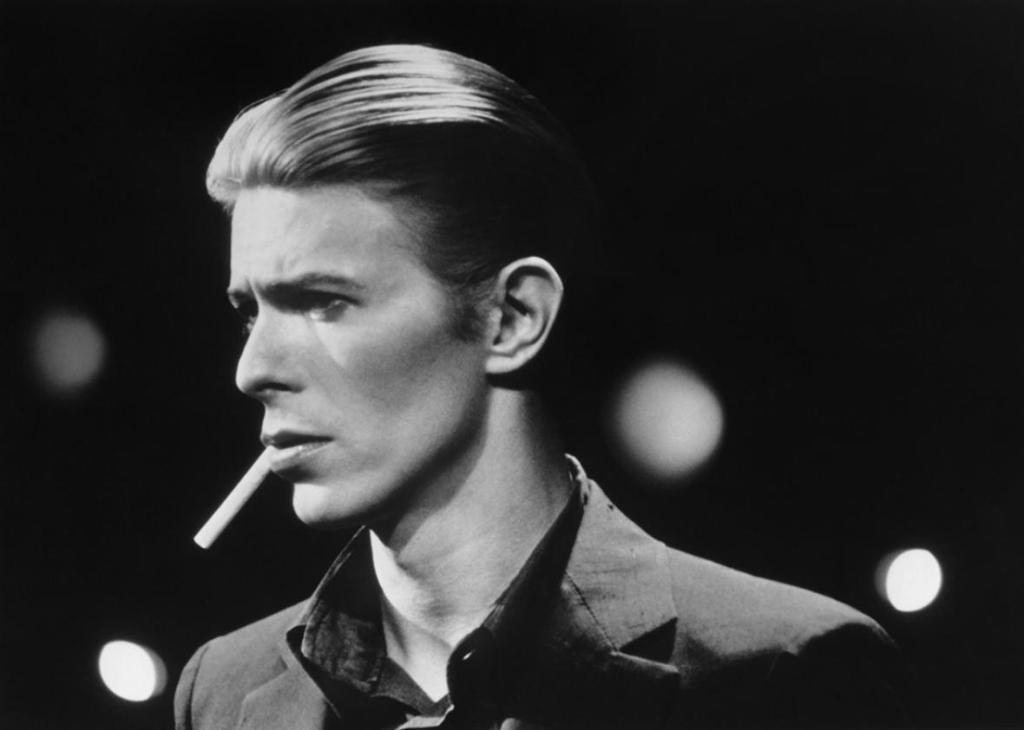
One can’t speak of Bowie without considering the extent of his fluidity in all matters of sexuality and gender identity. A number of statements have been made throughout the years by the late artist, namely the one in 1972 where he stated he was “gay, always have been.” But by 1973, his black-and-white demeanour towards his sexuality changes, and so did his personal style.
Perhaps the most recently circulated interview people have seen on social media would be the 1979 Afternoon Plus one, where he was asked repeatedly whether he was really bisexual — to which he classily, albeit a tad irritated, replied “I’ve answered the question.”
In later years, the media’s obsession with his sexuality did not lessen, and so Bowie’s demeanour became slightly more sarcastic and playful rather than outright clear and honest — further adding to the concept that sexuality is fluid, androgyny is beautiful, and that nothing at all is black and white.
Joan Jett
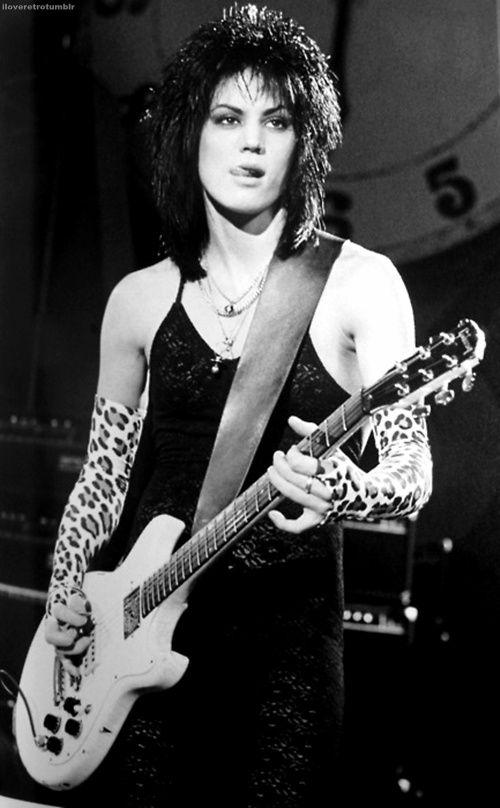
Jett is known to have never explicitly announced anything, nor has she declared any statement concerning her sexuality. In 1994, she told Out magazine that “I’m not saying no, I’m not saying yes, I’m saying believe what you want. Assume away—go ahead.” And she’s repeatedly stated that she was not interested in making it a focus anyhow, as the rocker believes her music must be at the forefront.
Although the singer herself never declared anything, former The Runaways bandmates Lita Ford and Cherie Curie took it upon themselves to, in a way, give allusion to the idea of Jett’s queerness. In both Ford and Curie’s autobiographies, a relationship between Jett and Curie was mentioned in the pages.
Jett’s never declared, but she certainly doesn’t shy away from symbolism. In 2018, in an interview with the New York Times, she was asked why an LGBT film festival did not want to show her documentary, stating it was because she was not “out.”
Jett’s words were: “They don’t want the movie there because I don’t declare? [Holds up her necklace] What the fuck is that? Two labryses, or axes, crossing each other, inside of two women’s symbols crossing each other. It’s not been off since I got it. And I wear this one every day. [She turns around, lifts her shirt and reveals a tattoo with similar female symbols on her lower back.] I don’t know how much more you can declare.”
Freddie Mercury (Farrokh Bulsara)
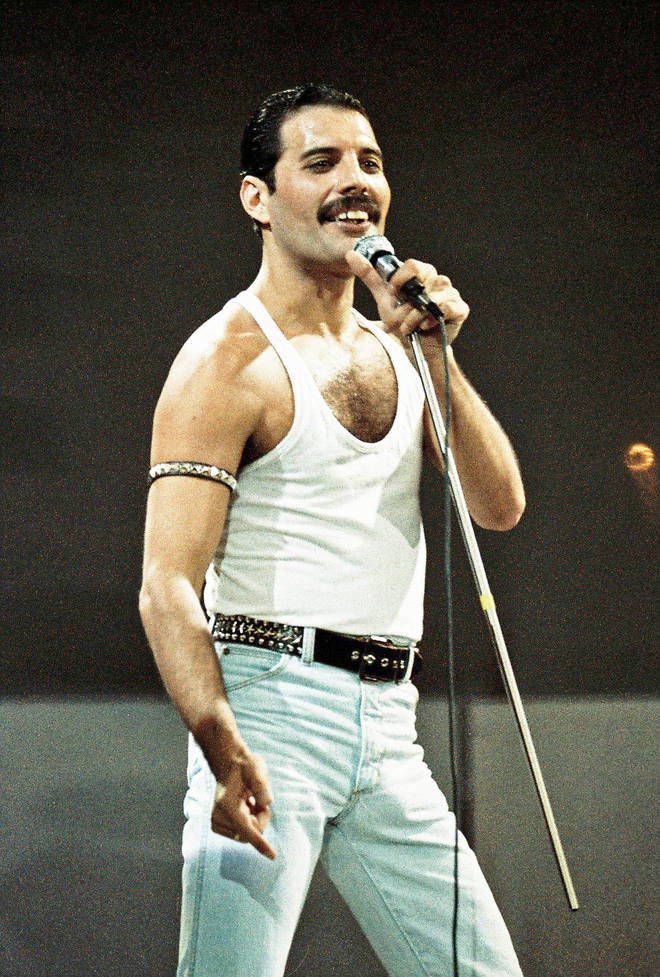
As with most rockers of this period (1960s-1980s), the question of sexuality and the discourse around it is ambiguous, and prone to erroneous claims. Given the violent homophobia that queer people were subject to in the day, many were prone to hiding the truth, and not many could risk being out.
When it comes to Freddie Mercury, however, it goes a little further than that.
Originally from Zanzibar, from Parsee (ethnoreligious group of the Indian subcontinent whose religion is Zoroastrianism) parents, Mercury grew up in a household where being gay was akin to demon-worship. His family was never clued on his sexuality, as he maintained a close relationship with them.
Furthermore, Mercury’s love of his life was a woman: Mary Austin. On top of having had relations with both men and women in his lifetime, Mercury was engaged to Austin and also lived with her for several years in 1970s — leaving her the bulk of his estate when he died in 1991, from AIDS complications.
All my lovers asked me why they couldn’t replace Mary, but it’s simply impossible. The only friend I’ve got is Mary, and I don’t want anybody else. To me, she was my common-law wife. To me, it was a marriage.
Freddie Mercury about Mary Austin.
There is also the question over under what column Mercury falls in when it comes to his queer identity. It has been a subject for many years, and still to this day sparks controversy.
For the longest time, the Queen frontman was considered a gay icon. But in recent times, given that he had never publicly come out, some LGBTQ+ organizations believe this term cannot apply.
Furthermore, Mercury’s relations with both men and women can also define him as a bisexual. Which sparks further debate concerning bi-erasure, and its consistent pattern when it comes to public figures, as well as in general.
 Busybee's Playlist
Leave a comment