
To the women who make their own way in a dog-eat-dog world
What was it that James Brown said?
“This is a Man’s world, but it would mean nothing without a Woman or a Girl.”
This statement was always taken as a compliment, and to some extent it is. But what happens when all you’ve been told is how much you complete a man’s world, without any room to build an empire of your own?
What happens when you’re told there’s only one way to be a Woman?
You tell them to fuck off, and break the glass ceiling.
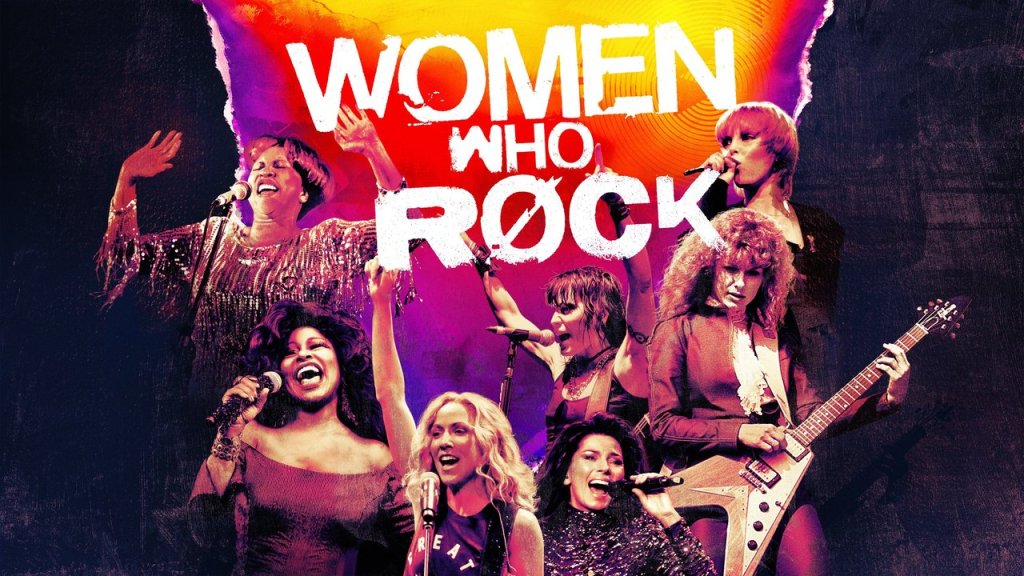
And that is the tone on which the docu-series, Women Who Rock, sets off.
Written by Graham Kew, Jesse James Miller, and Kristian Olsen; excutively produced by John Varvatos, Derik Murray, Jessica Hopper, Jesse James Miller, Paul Gertz, Kent Wingerak and Rachel Brill, Women Who Rock, still on its first season, is a riveting series tackling the experience of women in the music industry — more specifically in the Rock’n’Roll industry.
So far, the series has released four episodes, beginning the journey with the roots in the 1950s and 60s, riffing off to the bitchin’ 70s, tackling what they believed to be a bit of a set-back in the 1980s, to then come back with a bang in the 90s, ending with a glimpse of the new generation of women songwriters and rockers.
The cast includes major icons sharing their experience in the business, like Mavis Staples, Chaka Khan, Shania Twain, Joan Jett, Nancy Wilson from Heart, Rickie-Lee Jones, Aimee Mann, Sheryl Crow, Macy Gray, Pat Benatar and so much more.
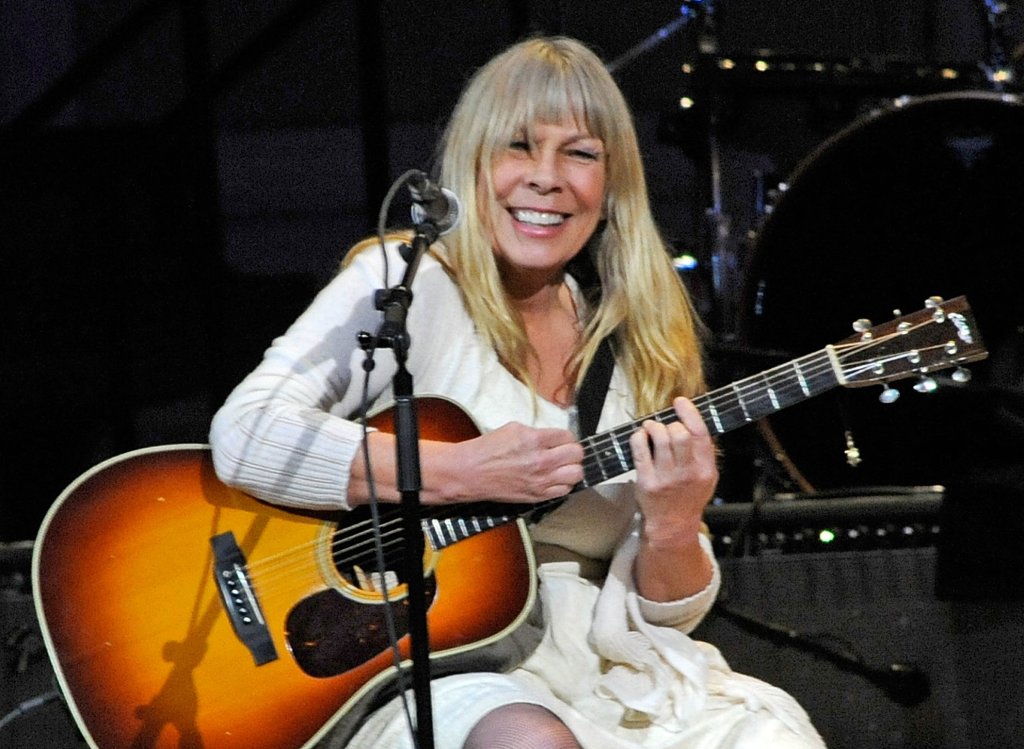
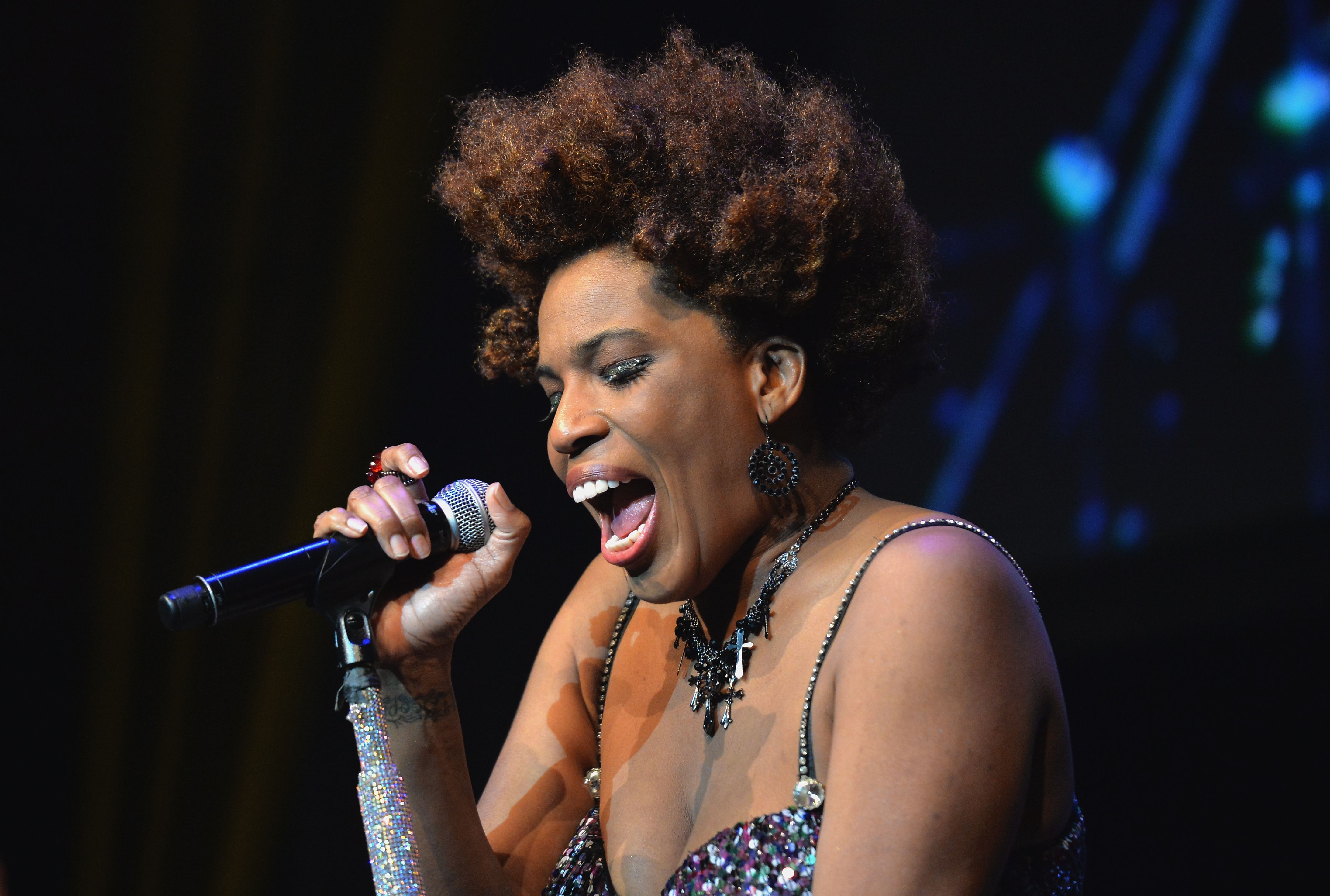
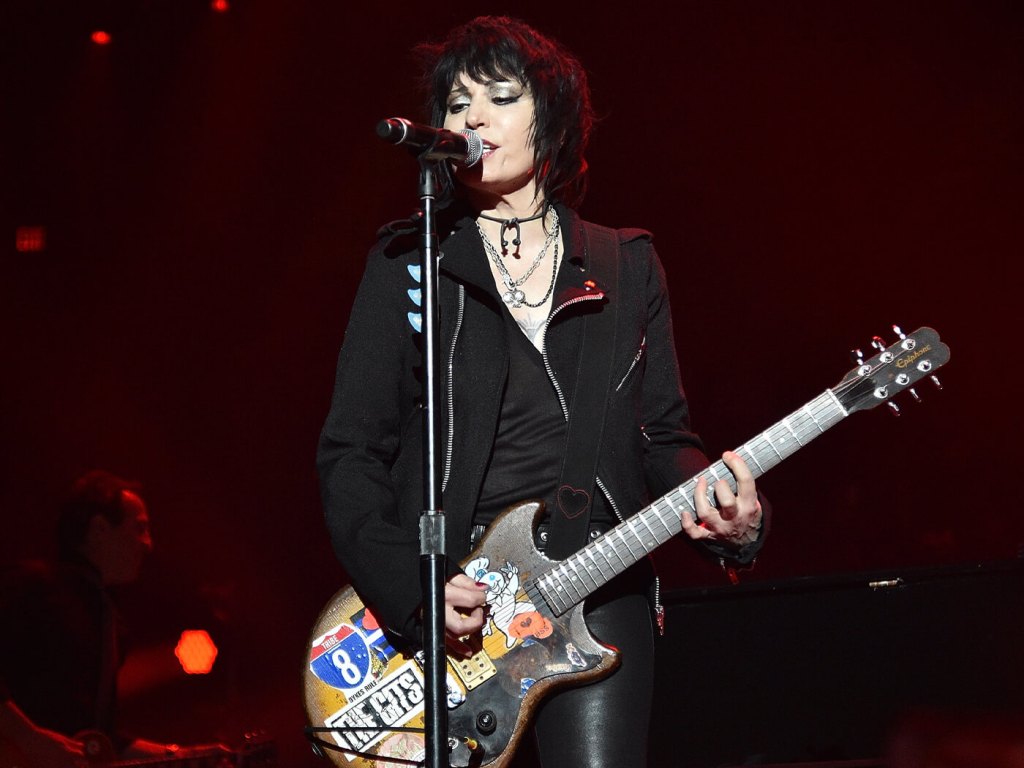
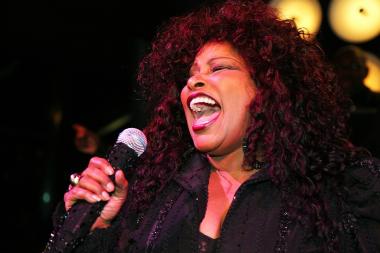
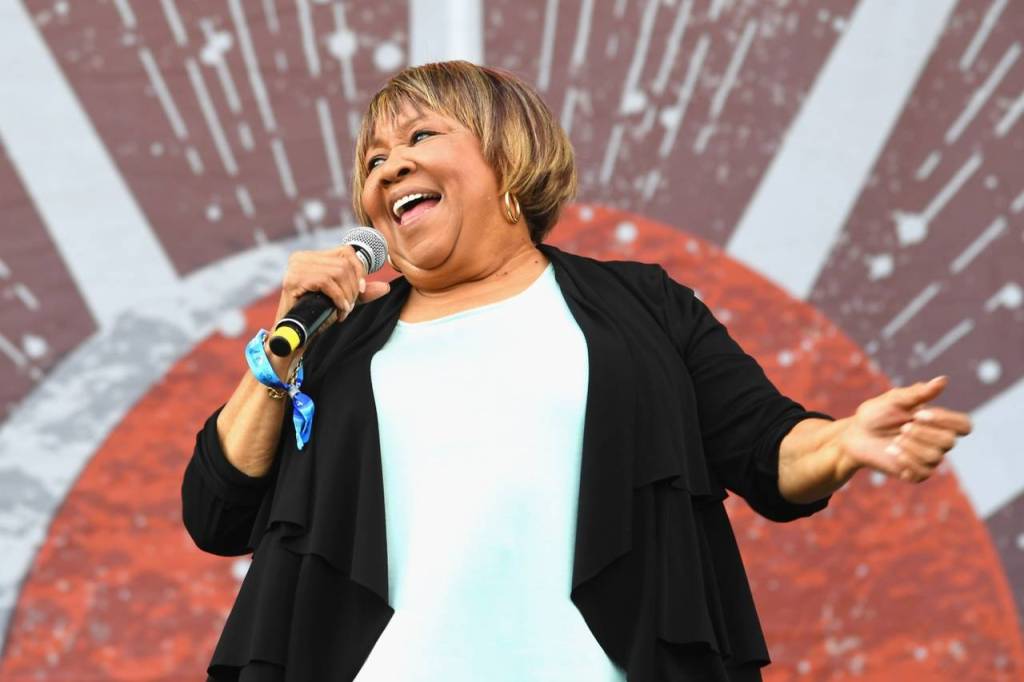
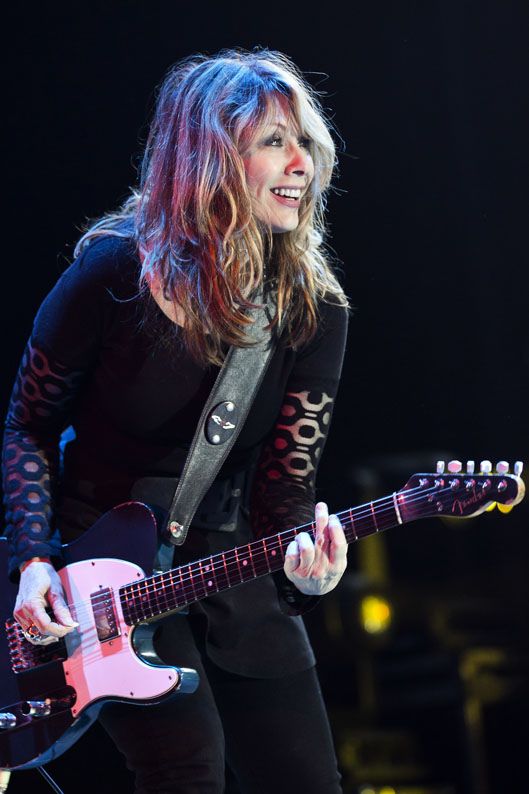
Alongside these 20th century icons were younger artists like St. Vincent, FeFe Dobson, Norah Jones, Tegan and Sara (and so many more) sharing their personal experiences discovering those legends and how they’ve paved the way to their own careers.
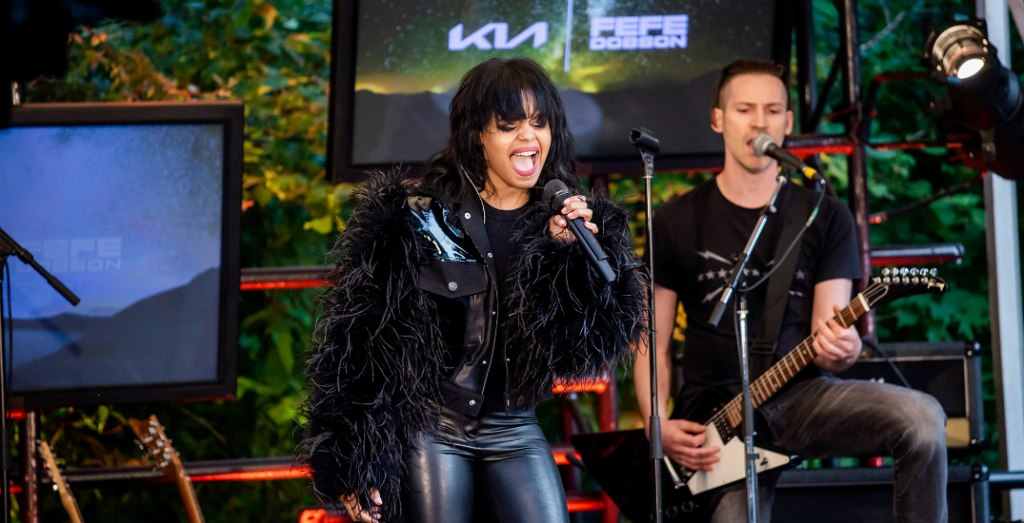
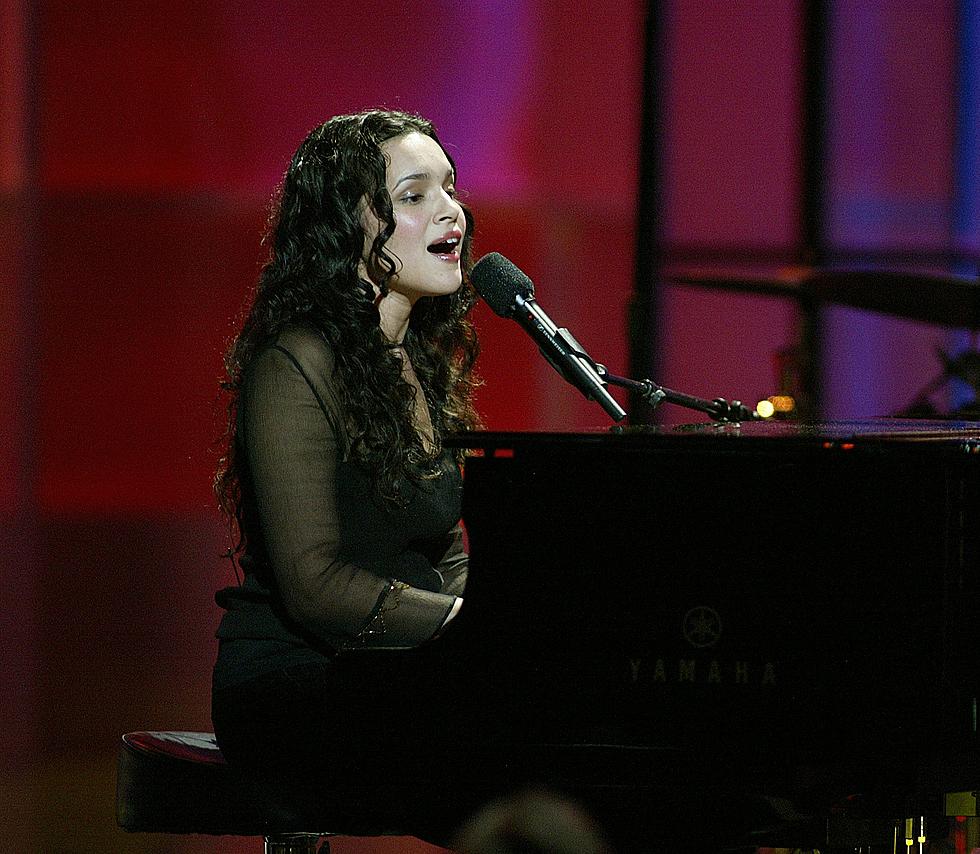
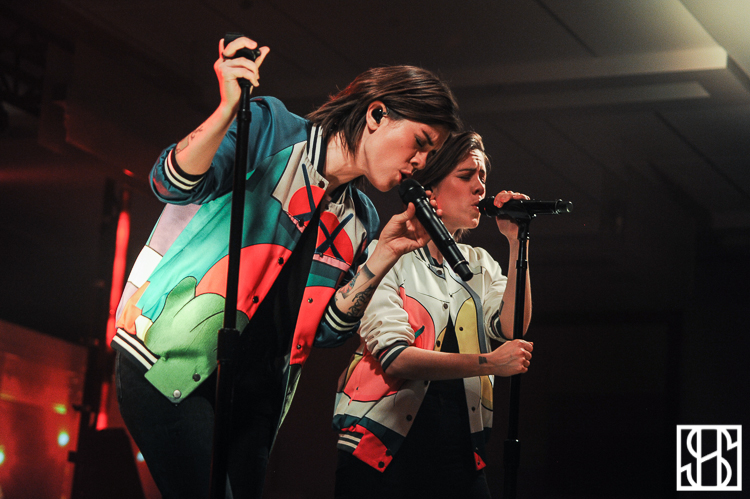
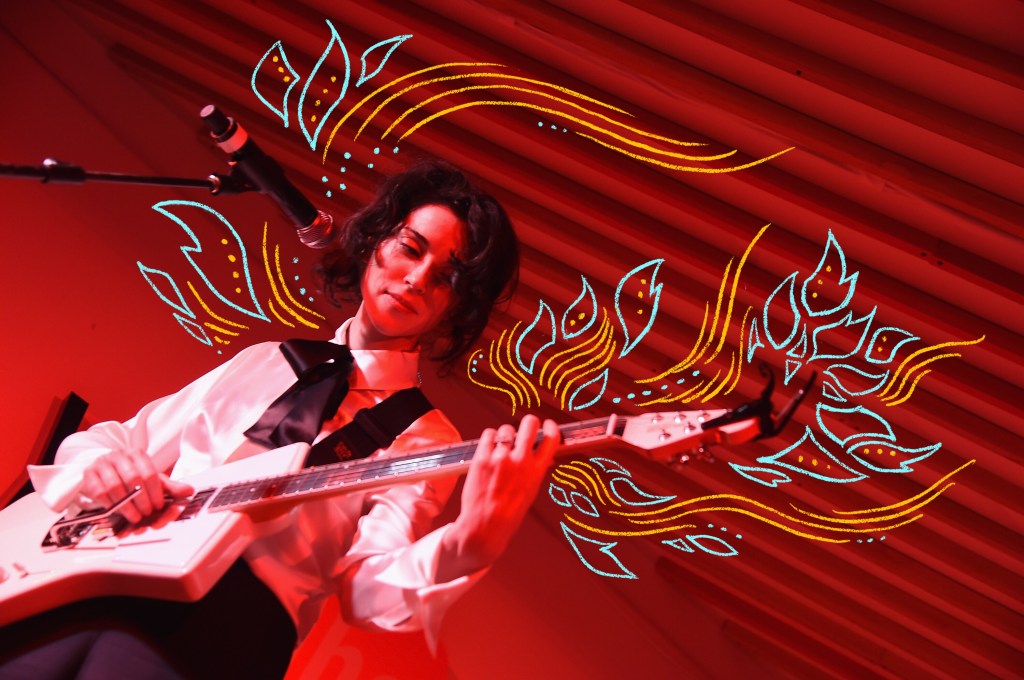
The series introduces a lot of diversity, which is a refreshing sight to see, as it underlines the importance of people of colour in the Rock’n’Roll world, and what they did for music. Especially when it comes to women of colour, and how they paved the way for the women after them.
By pushing the envelope and refusing to settle for what the world had to offer a woman, these musicians opened doors that were assumed impossible to break through.
One of the main themes that seemed to recur was that the adversity these women faced didn’t start at home.
In fact, they were all encouraged and treated with respect and equality. They were given the tools and support needed to believe they can make it in the world.
So nobody told them that this particular world they wanted to be a part of didn’t consider them worthy. And that they were different.
But these women were not to be deterred. They were not about to ignore their natural calling of rocking it out on stage just because they were born female.
They were going to make it, and they were going to do so as women.
From Chaka Khan refusing to step away from the stage when she got pregnant, putting her foot down and facing her manager claiming “I’m gonna be a star, with or without you,” to Shania Twain proudly stating that she felt comfortable rocking out without forsaking her femininity.
From the renowned punk poet laureate Patti Smith offering an androgynous persona for the females who wish to play with gender expression on the stage of New York’s CBGB, to Sarah McLachlan creating “Lilith Fair” in Vancouver, BC as a safe space for female performers after concert promoters and radio stations refused to play two female artists in a row.
The beauty of this documentary was in the interviewees’ keen attitude towards awarding credit to the women who inspired them — which were all of them.
Drawing inspiration from one another rather than competing with each other, they expressed that in order to make it in a world already at war with you, you needed to look out for yourself and your fellow female.
These women wanted to show the world that they had every right to rock it out, without losing themselves.
“We are women, and we rock,” Jett said. “Those two aren’t mutually exclusive. Just because we’re women doesn’t mean we can’t rock — and vice versa.
Who can forget Pat Benatar’s performance, as the first woman on MTV to rock it out to “You Better Run”?
Tough subjects were also approached in the documentary, like facing what MTV did to Rock and how the 1980s were a bit of a delaying decade, according to the artists.
As Rock became more publicized with MTV’s launch in the early 1980s, the insistence on appearance became more prominent. And unsurprisingly, women took the brunt of it.
Given that the world began capitalizing on one’s “look,” women were at the forefront, with the concept that a woman on the cover sells more records — reducing them to mere objects, and setting all the progress the 1960s-70s strived to push for, way back.
But when the 90s came to play, womanly rage was back in pace.
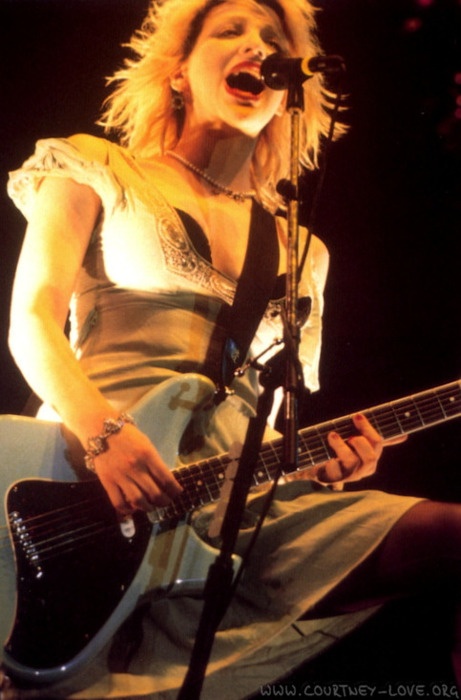
Riot Grrls like Kathleen Hanna, Courtney Love’s big “FUCK YOU” attitude, Alanis Morissette’s unapologetically raw lyrics, and the femininity in punk the likes of Gwen Stefani, Tori Amos and Fiona Apple showed, allowed women to be okay with their anger.
They provided women all over the world a sense of belonging, and freedom. A side of the coin where you’re allowed to tap into your basic instinct and express your rage. That you are not meant to be obedient and meek.
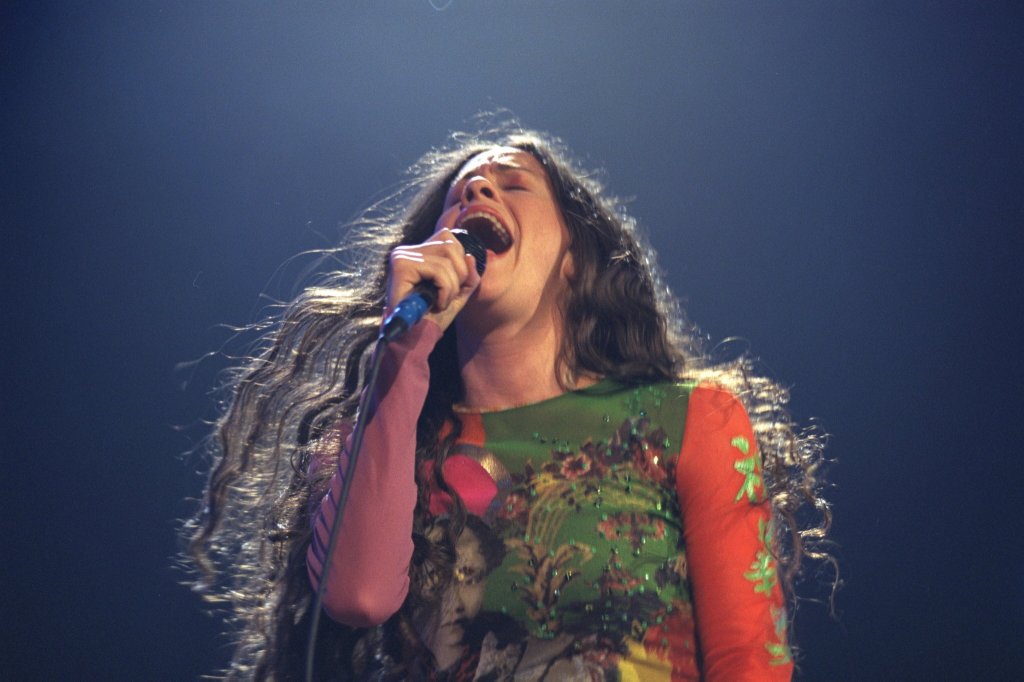
The documentary offers women in entertainment a chance to express their experience in an unforgiving industry. An industry that understands that they would be next to nothing without them, but does not appreciate them nearly enough. An industry that forces them into everything that’s “popular” rather than listen to the women and what they want to be, and how they want to portray themselves.
And it all stems from one common fear: When Women get together, Women get shit done.
As 2022 comes to a close, allow yourself to explore the Rock’n’Roll world through the female gaze, and stream “Women Who Rock” on CRAVE, The Roku Channel, Spectrum TV, EPIX or EPIX NOW.
 Busybee's Playlist
Leave a comment